
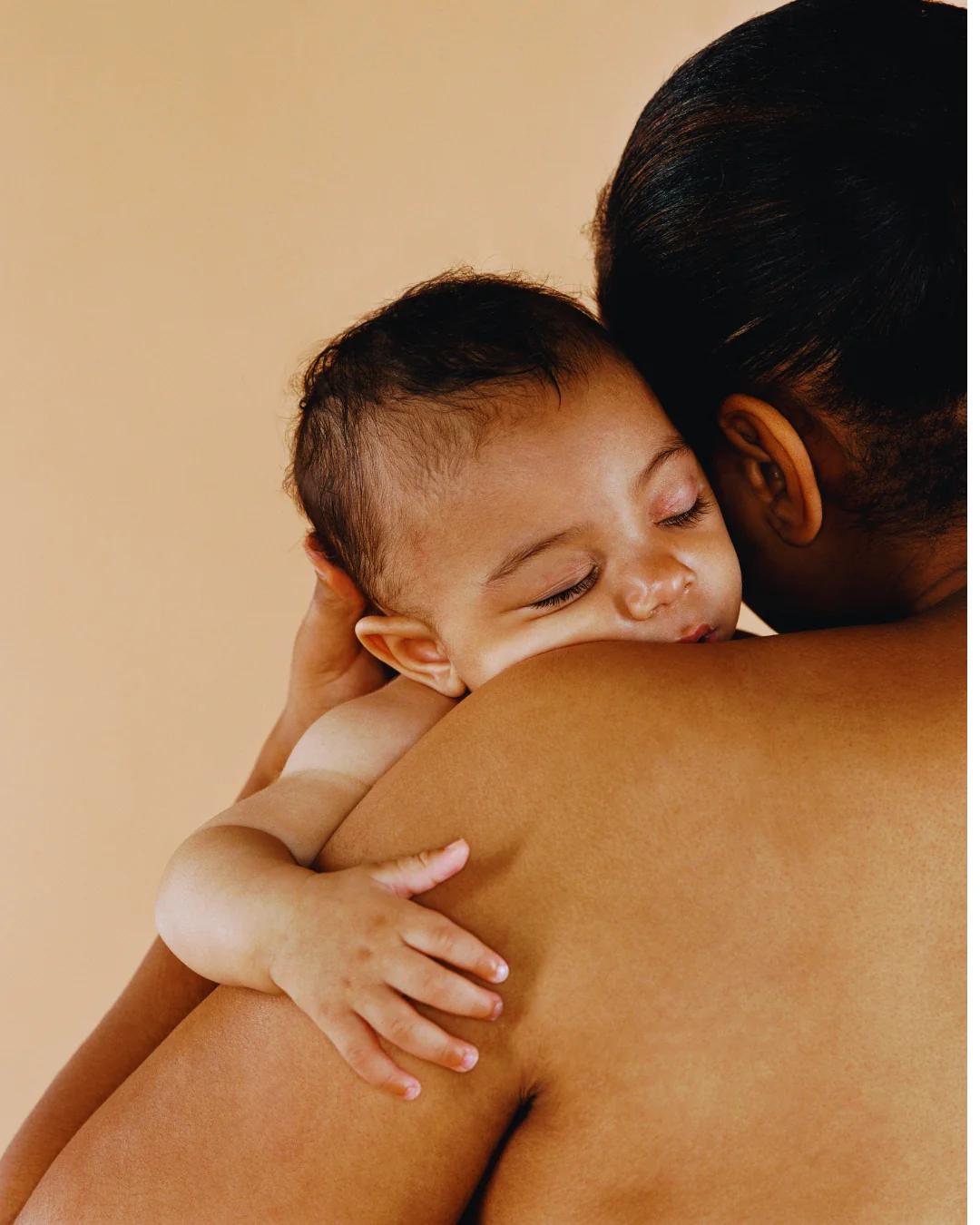
When mental and physical health meet
Life after childbirth can involve joy, worry, lack of sleep, pain and profound changes in everyday life. Some women develop depression. Persistent low mood, loss of pleasure, difficulties concentrating, anxiety or guilt may affect both the woman and those around her.
Postpartum depression is a medical condition with multiple possible causes. Previous mental health problems, social pressures, support, sleep and biological changes may all play a role. Researchers have also explored nutritional status.
The question is whether shortages of certain nutrients could contribute to depressive symptoms, whether symptoms themselves affect diet and nutrient status, or whether both are linked to other circumstances.
What does the latest research review show?
A systematic review published in the journal Life in October 2025 included 19 studies of links between micronutrients and postpartum depression. Micronutrients are vitamins and minerals required in relatively small quantities.
Vitamin D was studied most often. Nine of thirteen studies found a statistical association between low vitamin D levels and depressive symptoms after childbirth. Researchers also found some associations involving vitamin B12 and zinc. For folate, magnesium, iron and selenium, evidence was too limited or inconsistent for clear conclusions.
These findings warrant further investigation. They cannot explain with certainty why any individual woman develops depression.
Why are association and causation different?
In many studies, researchers measure a nutrient and examine whether participants also have depressive symptoms. If the group with low levels has more symptoms, there may be a statistical association.
But which came first? A woman experiencing depression may find it harder to eat regularly, buy groceries or go outdoors. Sleep problems, illness and social circumstances can affect both nutrition and mental health. Different measurements at different times make studies difficult to compare.
To examine whether a nutrient truly affects risk, researchers need studies that follow women over time and controlled treatment trials. Such trials can investigate whether correcting a proven deficiency improves depressive symptoms.
What about iron deficiency and fatigue?
Iron deficiency and anaemia can contribute to fatigue and reduced physical capacity. These symptoms can overlap with symptoms seen in depression.
The Norwegian STORK-Groruddalen study found anaemia in 25% of 573 women around 14 weeks after childbirth. It investigated iron status. It therefore helps explain why physical health deserves attention in prolonged fatigue, while research into depression must ask separate questions about causation.
Having a nutrient deficiency and having depression are different conditions. A woman may have either, both, or other explanations for her symptoms.
What support should a woman receive?
Women experiencing persistent low mood, significant anxiety, loss of pleasure or difficulty functioning in daily life should have access to a midwife, public health nurse or GP. Support may include conversations, treatment and follow-up tailored to need.
If diet, symptoms or medical history suggest a vitamin or mineral deficiency, a doctor may recommend relevant tests. That is targeted care. Evidence remains insufficient to recommend vitamin supplementation as a general treatment for postpartum depression.
The Norwegian Directorate of Health recommends discussing the woman's mental health at the postpartum check-up, with follow-up adapted to individual circumstances.
What questions remain open?
Researchers need clearer answers about when nutritional status matters most, whether deficiencies precede symptoms, and whether treating confirmed deficiencies can influence mental health. Studies across countries and populations can show whether associations are similar under different conditions.
A woman's physical and mental health are intertwined in everyday life. Good care attends to both while being clear about what is established and what remains under investigation.